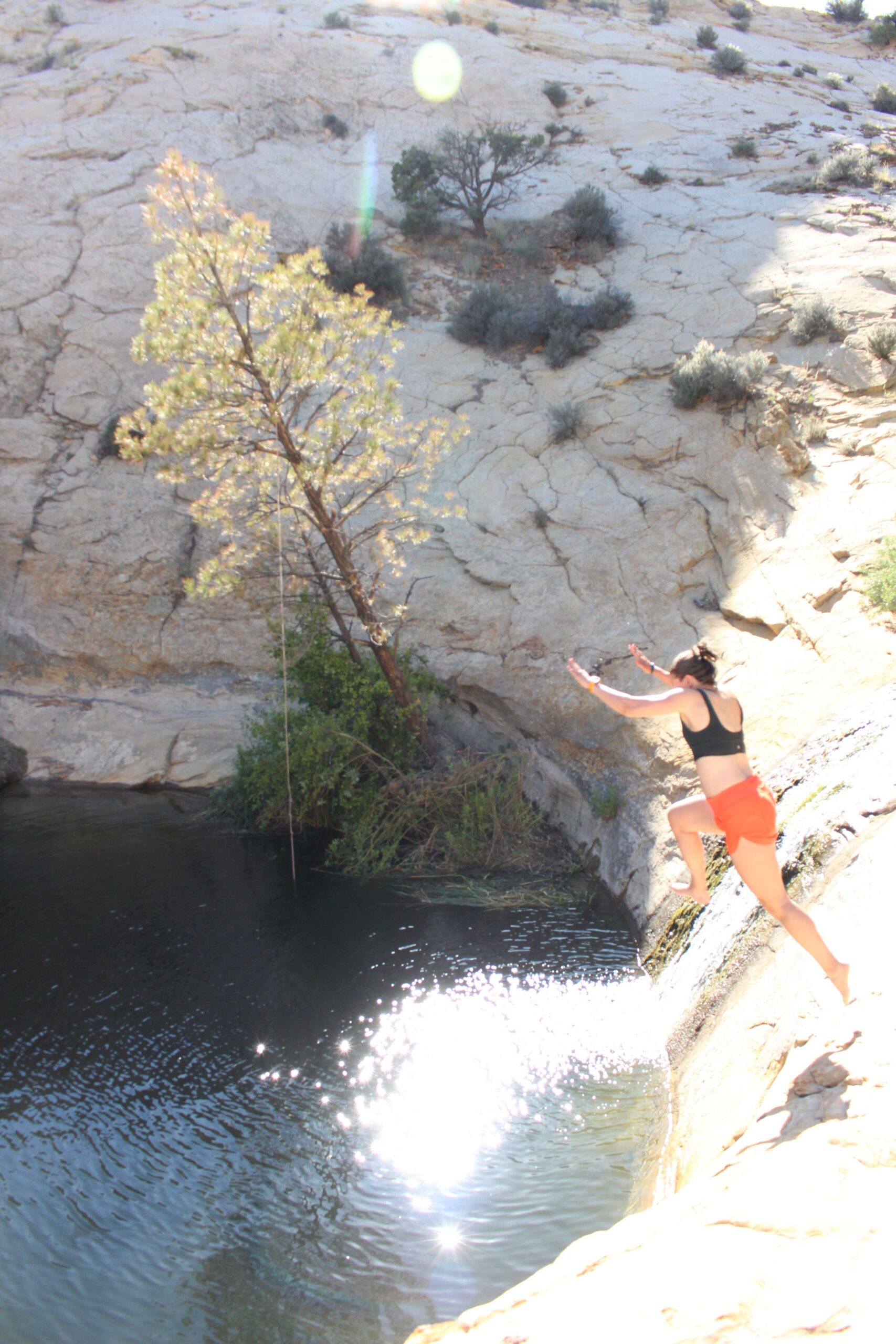
I’ve always been a cliff jumper. From the time I was little, I loved climbing up to the highest point I could find and launching myself into the water below. You can ask my mom, my friends, my neighbors — it’s just something that has always brought me joy.
To some people, that sounds reckless. But for me, it never has been. I’ve always been practical. I would never jump without checking the depth of the water, making sure the rocks weren’t slippery, or confirming that plenty of people had gone before me. I loved the thrill, but I also loved knowing I had removed enough risk that the reward was worth it.
As an adult, I’ve realized I make big life decisions the same way.
I’m not someone who quits a job on a whim, buys a house without running the numbers, or moves across the country without understanding the impact. I’m a cliff jumper — but a thoughtful one. And when I’m standing at the edge of a big decision, I rely on tools that help me understand the risks and the rewards before I leap.
The Level of Change Determines the Tools You Need
Not every decision deserves a spreadsheet.
If a friend asks me to grab coffee next Tuesday, that’s a quick calendar check and a quick body check. Done.
But if I’m considering something that will affect my financial stability, my daily rhythm, or my family — like leaving a full‑time job or starting a business — that deserves a deeper level of vetting.
For me, the first question was simple:
Can we afford for me not to work full‑time?
Financial stability isn’t glamorous, but it’s foundational. It’s what ensures your basic needs — food, shelter, safety — are met. I believe in following your dreams, but not if it means you can only eat every other day. You make better decisions, you’re more creative, and you’re more resilient when you know your baseline is covered.
My Tried‑and‑True Budgeting Framework
Whenever I’m facing a big decision, I pull out a budgeting spreadsheet I’ve built and refined over the years. I’d love to say I update it annually, but the truth is: I update it when I’m on the edge of a cliff and need clarity.
Here’s how I use it:
- I lay out the entire year, month by month, across the top.
- I list every required expense: mortgage, taxes, utilities, insurance, groceries, cell phone, internet.
- Then I list the recurring “extras”: subscriptions, storage unit, ski passes, deer cam, annual vacation — all in a different color.
- I total everything and add our income for each month.
- I include our current savings balance.
- And then I subtract expenses from income to see when (or if) we’d need to draw from savings.
This gives me a clear picture of what’s possible without changing our spending habits — and how long our savings would last if income dropped.
It’s not fancy. But it’s honest. And it’s incredibly grounding.
What the Numbers Actually Tell You
Once you see the full picture, you can ask yourself:
- If I make this change, am I okay with the impact on my financial stability?
- Am I willing to spend less or give something up?
- Is the reward worth the risk?
- If not, is there a smaller step I can take instead?
When I was considering leaving my job, I knew that if the numbers didn’t work, I had options. I could find a part‑time role. I could build a runway by starting my website, learning how to record a podcast, or getting a coaching certification in the evenings. We could adjust our spending. There were many ways to move toward the dream without free‑falling.
That’s the beauty of knowing your baseline: it gives you choices.
Financial Stability Isn’t the Whole Story — But It’s a Powerful One
Everyone’s financial stability looks different. Only you know how much risk you’re comfortable with and what you’re willing to shift to make a change happen.
Maybe you’re not planning a big leap right now.
But knowing your baseline gives you flexibility for the future. It gives you the confidence to say yes when the right opportunity appears — or to build toward it intentionally.
If you want help setting up your own financial baseline, I’m happy to share the template I use and walk through it with you one‑on‑one. You can reach me at amanda@wheretheroaderunsout.com.
Until then, stay curious — and keep checking the depth of the water before you jump.