When I decide to take on something new—a big project, a new job, homeschooling, starting a business—I am all-in. I do the research, make the plan, and practically buzz with that excited, slightly nervous energy that makes the beginning feel so good. For the first few weeks, I’m on track and I feel capable. I feel aligned. I feel like, Yes, this is exactly what I’m meant to be doing.
And then, the slump hits.
It shows up a little differently each time, but the pattern is the same. About a month in, I start thinking, Why did I want to do this again? Suddenly everything feels harder. With homeschooling, it hit around week six. The kids were resisting everything, and I found myself spiraling into questions like, Am I ruining their childhood? Did I just tank my career? When I start a new job, the slump usually arrives right after onboarding ends—when I’m finally on my own, trying to learn new systems and introduce myself to dozens of people. I start missing the comfort of my old job, the friends I had there, the ease of knowing where to find everything.
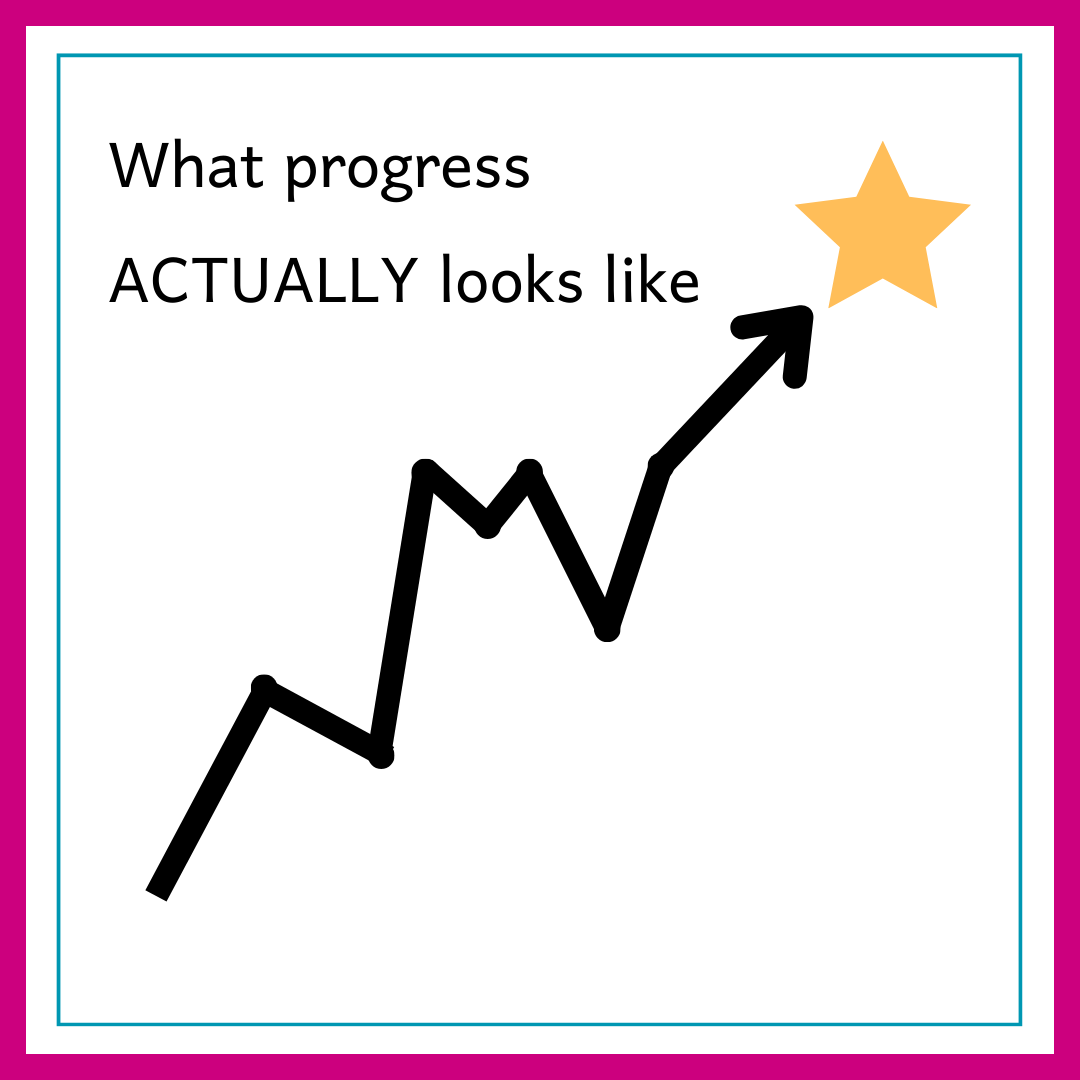
I’ve heard people call this “the dip,” and it’s so true. Progress isn’t a straight line. It’s a jagged one—full of dips that can feel like failure if you don’t expect them.
How the Slump Shows Up
Over time, I’ve learned to recognize my own slump signals:
- Doubt — questioning my decisions, worrying about my family, wondering what I was thinking.
- Boredom — feeling stuck in the routine, craving novelty, wanting to switch to something new.
- Difficulty — telling myself it’s too hard, that I can’t do it, that going back would be easier.
Knowing this pattern doesn’t make the slump disappear, but it does make it less scary. It becomes something I can plan for instead of something that blindsides me.
Starting With My Why
One of the most powerful things I’ve learned is to write down my why before I begin any major change. When the slump hits, my why becomes my anchor.
For homeschooling, my whys were simple:
- I want to be with my children more.
- I want more freedom to be outside.
- I want the flexibility to spend more time at our farm.
- I want to build a business I can live on later in life.
When I can see those reasons—literally see them, written down somewhere visible—it helps me reconnect to the intention behind the change. It reminds me that the discomfort is temporary, but the purpose is lasting.
Strategies for Getting Through the Slump
Over time, I’ve built a few strategies that help me navigate the dip instead of getting stuck in it.
- Switch up the routine. When homeschool starts feeling stale, I know it’s time for a field trip or a change of scenery. The Renaissance festival last fall was a perfect example—we had so much fun, and it connected beautifully to what we were studying.
- Give yourself options. In my business, I intentionally keep a few projects going at once. If I get bored with one, I can shift to another and stay engaged.
- Acknowledge what you’ll miss. Leaving a job means losing the casual adult conversations, the work family, the ability to meet such interesting people. I’m only now realizing how much I miss that—and that I didn’t plan for it at all.
- Don’t reinvent the wheel. When I was trying to figure out podcast editing, I almost trapped myself in a rabbit hole of complicated software. Asking others what they used saved me hours and a lot of frustration.
- Celebrate milestones. Progress is hard to see up close. Marking things like my first episode, my first guest, episode 10, finishing a homeschool term, or planting my first big garden helps me feel the forward motion.
- Build in rest. Big changes take energy. This is not the time to also train for a marathon or volunteer for every school event. Listening to my body matters.
Create a Plan for the Slump
Now, before I start something new, I take a few minutes to write down:
- My why
- The thoughts I know will show up in the slump
- The strategies that help me re-engage
I save it somewhere easy to find—sometimes a notebook, sometimes a file on my desktop literally labeled slump. When the dip arrives, I can pull it out and remind myself: Oh right. This is the part where it gets hard. This is normal. I planned for this.
Change is hard because it asks us to leave comfort for possibility. The slump isn’t a sign that you made the wrong choice—it’s a phase. When you expect it, name it, and prepare for it, you can move through it with more grace and a lot less panic.
And if you want someone to walk through this with you, I’m here to help.